Can You Prevent Stretch Marks During Pregnancy?
Pregnancy brings with it an extraordinary amount of change, and your skin is along for the journey. One of the questions we hear regularly from expecting...
June 30, 2026
Shannon
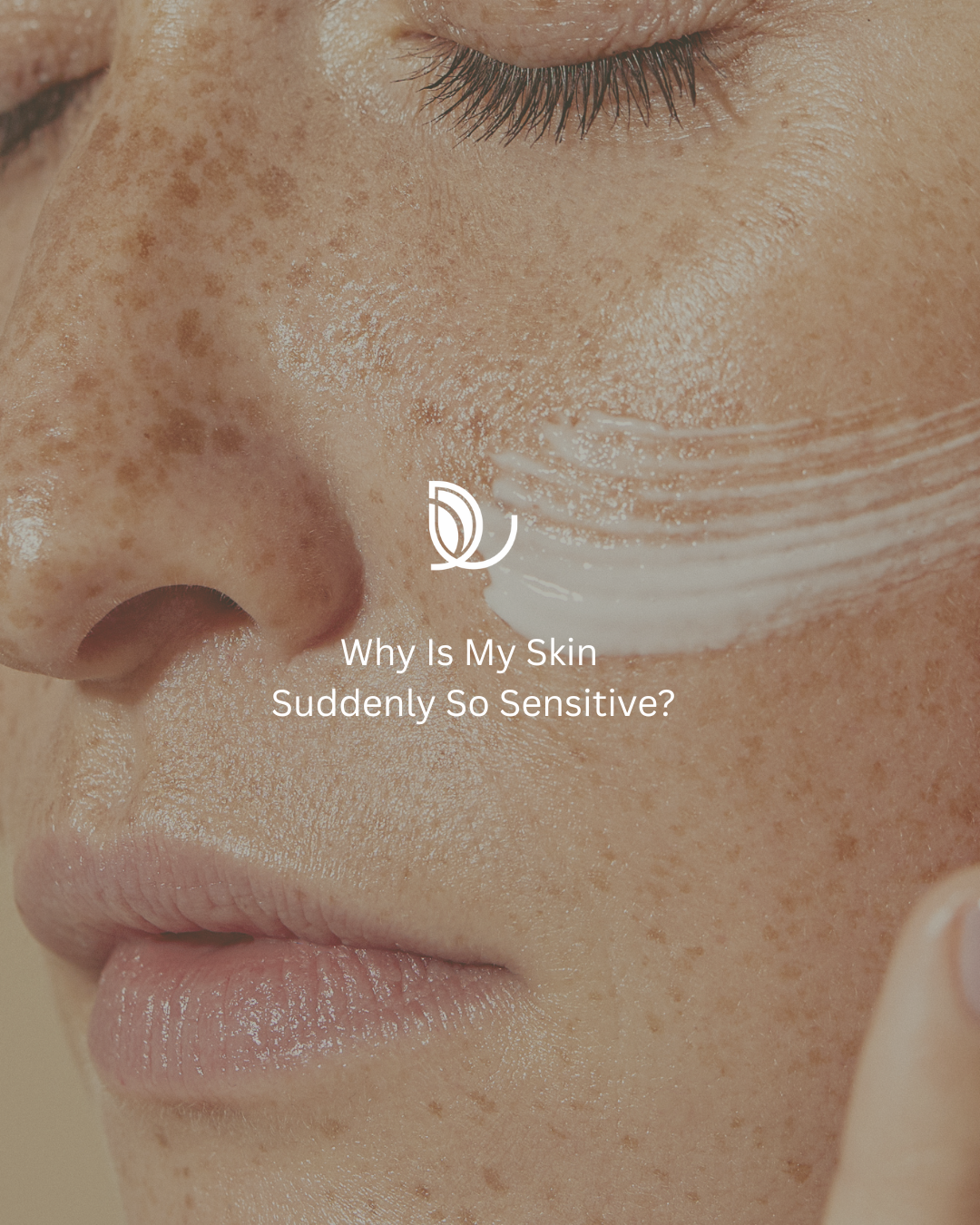
If your skin has suddenly started reacting to products you’ve used for years, feeling tight after showering, becoming itchy, or developing redness for no obvious reason, you’re not alone.
Sensitive skin is becoming increasingly common, and while it can feel frustrating, it’s often your skin’s way of telling you that something has changed. The good news is that sensitive skin isn’t usually something you simply have to live with. By understanding what’s causing it, you can take steps to restore your skin’s natural balance.
Since way before the launch of our 6 Week Skin Reset, I’ve been asked a lot; “Why is my skin suddenly so sensitive?” While the 6 Week Skin Reset addresses this, the answer to this question goes deeper than some would think.
Skin can suddenly become sensitive because the skin barrier has been disrupted or because something inside the body has changed. This could be due to stress, hormones, harsh skincare products, environmental factors, illness, ageing, or even changes in your gut health. Your skin is like your body’s report card.
When your skin barrier is weakened, moisture escapes more easily, and irritants can penetrate the skin more readily. This often leads to dryness, redness, itching, burning, or increased sensitivity to products that previously caused no problems.
Think of your skin barrier as your body’s natural protective shield.
The outermost layer of your skin is responsible for:
When this barrier is healthy, your skin feels comfortable, smooth and resilient. When it’s compromised, even gentle products or changes in weather can trigger irritation.
One of the most common reasons for sudden sensitivity is unintentionally damaging the skin barrier.
Common culprits include:
Many people think more products equal healthier skin, but often the opposite is true. A simpler, gentler routine gives your skin the opportunity to recover. I cannot stress this enough – You do not need to overcomplicate & multi-layer your skin routine. This goes for body and face.
Your skin and nervous system are closely connected.
Periods of chronic stress increase cortisol levels, which can:
Many people notice their skin becomes more reactive during stressful periods, poor sleep, or emotional overwhelm. Supporting your stress levels is just as important as choosing the right skincare. Many of my friends suffer from psoriasis due to stress & have been through expensive GP visits, antiboitics, all of which often causes even more stress to the body. They think the skin is the problem, but the skin is just the warning sign that there is something out of balance.
Hormones influence everything from oil production to inflammation.
You may notice changes during:
Even if you’ve never had sensitive skin before, hormonal shifts can temporarily make your skin more reactive. We’ve had positive results from pregnant Moms experiencing hormonal skin sensitivity after going through our 6 Week Skin Reset.
Cold winter air, indoor heating, strong wind and low humidity all remove moisture from the skin.
On the other hand, excessive sun exposure during summer can also weaken the skin barrier over time.
Many people find that their skin needs different care depending on the season. Right now, in Cape Town, the wispy cold winter winds generally calls for more hydration. This means water based hydration, not neccessarily more oils.
As we age, the skin naturally produces less oil and fewer of the lipids that help maintain a healthy barrier.
This means the skin becomes:
This might sound like a silly point to even mention, but we live in a society where we are somehow expected to not look like we are ageing. This is such a natural part of life, yet we somehow wind up shocked when we start seeing fine lines appear on our faces. Yes, this is natural. We can embrance this while supporting our skin to age gracefully. Supporting the skin with nourishing ingredients becomes increasingly important over time.
Research continues to show a strong relationship between gut health and skin health, often referred to as the gut-skin axis.
An imbalance in gut health may contribute to increased inflammation throughout the body, which can sometimes show up as:
While skincare works from the outside, supporting overall wellness through a balanced diet, hydration, quality sleep and stress management can also help support healthier skin.
You may have a compromised skin barrier if you notice:
Simplify Your Routine
Stick to a few gentle products rather than layering multiple active ingredients.
Choose Gentle Cleansers
Avoid products that strip away your skin’s natural oils. Gentle cleansing helps remove impurities without disrupting your skin barrier.
Our Bush Wellness Body Wash is formulated with naturally derived cleansing ingredients and nourishing botanicals to cleanse without leaving the skin feeling tight or dry.
Nourish and Restore
After cleansing, replenish the skin with ingredients that help support moisture and strengthen the skin barrier.
Our Bush Wellness Body Lotion combines botanical oils, plant butters and skin-conditioning ingredients to deeply nourish dry, sensitive skin while helping to maintain long-lasting hydration.
For areas that need extra care, our Bush Wellness Tissue Oil provides concentrated nourishment using a blend of plant oils that help improve skin suppleness while supporting the skin’s natural moisture barrier.
Protect Your Skin Daily
Sun exposure can contribute to skin barrier damage, even on cooler or cloudy days.
Daily SPF helps protect the skin from UV damage and supports long-term skin health.
Support Your Body From Within
Healthy skin isn’t just about what you apply externally.
Supporting your overall wellbeing through:
can all contribute to healthier, more resilient skin.
If your symptoms are severe, persistent, spreading rapidly, or accompanied by pain, swelling or signs of infection, it’s important to seek advice from a qualified healthcare professional or dermatologist.
Persistent skin sensitivity may sometimes indicate an underlying medical condition that requires professional assessment.
Can skin suddenly become sensitive even if it never was before?
Yes. Changes in stress, hormones, weather, skincare products, ageing and overall health can all contribute to new skin sensitivity.
How long does it take for a damaged skin barrier to heal?
For mild irritation, improvement may be seen within a few weeks if further irritation is avoided and the skin is supported with a gentle routine. More significant barrier damage may take longer, depending on the underlying cause.
Should I stop using all my skincare products?
Not necessarily. Rather than stopping everything, simplify your routine and temporarily avoid harsh exfoliants, strong active ingredients and products that consistently cause irritation.
Is sensitive skin permanent?
Not always. In many cases, sensitive skin improves once the underlying cause has been addressed and the skin barrier has had time to recover.
If your skin has suddenly become sensitive, try not to panic. More often than not, your skin is responding to changes in its environment or your overall wellbeing rather than permanently changing.
By focusing on gentle cleansing, nourishing hydration, daily sun protection and supporting your health from the inside out, you can often help your skin regain its natural strength and resilience over time. There is no quick fix to repairing your skin. It requires consistency.
At Bush Wellness, we believe healthy skin begins with respecting your skin’s natural barrier rather than fighting against it. Sometimes, giving your skin less iproducts, but choosing ingredients that truly support it, is exactly what it needs.
We’d love to hear your skin stories. Share with us your sensitive skin stories, we’d love to help & guide where we can!
Love,
Shannon xx
Pregnancy brings with it an extraordinary amount of change, and your skin is along for the journey. One of the questions we hear regularly from expecting...
If your skin has suddenly started reacting to products you've used for years, feeling tight after showering, becoming itchy, or developing redness for no obvious reason,...
Are you enthusiastic about our products?
Are you a therapist, alternative practitioner, gym/fitness studio, pharmacy or other?
Would you like to sell our products to your customers?
Caring for your skin, and the world around you
At Dacha, care extends beyond your skin.
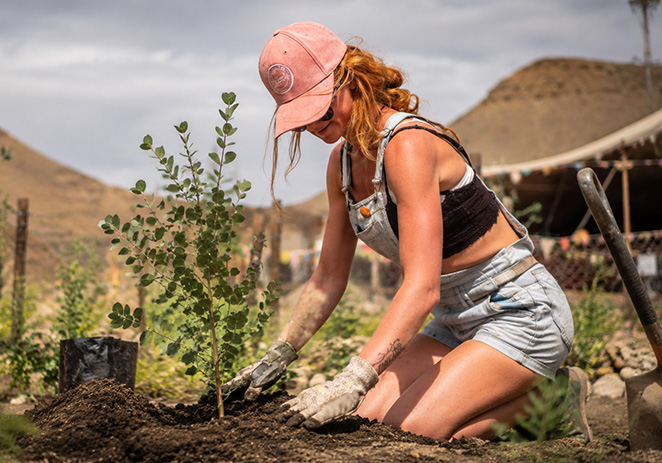
We’re proud to support global reforestation through our partnership with One Tree Planted.
With every R1000 spent, a tree is planted, helping restore balance, both within and around us.
Small, intentional choices for lasting impact.